Mastering the Art of Perception: Understanding Contrast Bias in Sales and Sales Management”

Contrast bias is a cognitive bias in which our perception of something is influenced by a previous experience or exposure to a contrasting stimulus. This bias can lead to an exaggerated difference in our perception of two similar things due to the direct comparison between them.

Simple Example of the Contrast Effect

In sales and sales management, contrast bias can have significant implications. For example, when a salesperson presents a high-priced product after showing a series of even more expensive options, the customer may perceive the high-priced product as a good deal in comparison, even if it is still expensive in absolute terms. Conversely, if the salesperson presents the same high-priced product after showing a series of lower-priced options, the customer may perceive it as excessively expensive, despite its actual value. This demonstrates how the perception of value is heavily influenced by the context in which it is presented.

In sales management, contrast bias can affect performance evaluations. For instance, if a sales manager evaluates a salesperson who has been consistently meeting moderate targets after observing another salesperson exceed exceptionally high targets, they may perceive the first salesperson’s performance as subpar, despite it being objectively satisfactory in a different context. This can lead to unfair assessments and demotivation among the sales team.

To mitigate contrast bias in sales, salespeople can strategically present products in a consistent context to avoid exaggerated perceptions of value. Sales managers can reduce the impact of contrast bias by evaluating each salesperson’s performance based on individual targets and industry standards rather than direct comparisons with colleagues. By understanding and addressing contrast bias, sales professionals and managers can make more objective decisions and improve overall performance.


Here are 10 questions to help identify where the contrast effect may be present in your day-to-day. The contrast bias is not inherently bad or good. However, identifying where this bias may be contributing to both positive and negative outcomes can be important to achieving the results you want.

  1. Have you ever felt that a product was a great deal only after seeing a series of more expensive options?
  2. When making purchasing decisions, do you find that your perception of a product’s value is heavily influenced by the context in which it is presented?
  3. In a sales environment, have you noticed instances where a product appeared more or less appealing due to the way it was presented in comparison to other products?
  4. When evaluating performance in a professional setting, do you tend to compare individuals directly to one another, potentially leading to unfair assessments?
  5. Have you ever observed situations where a colleague’s performance was perceived as subpar, even though it met industry standards, simply because it was compared to exceptionally high achievements?
  6. Do you find that your perception of a product’s cost or value changes depending on the sequence in which it is presented alongside other options?
  7. Have you experienced situations where a salesperson’s performance evaluation seemed influenced by the performance of their peers rather than their individual achievements?
  8. When considering different options, do you feel that your perception of each option’s qualities is influenced by the qualities of the others?
  9. In a sales context, have you observed instances where a customer’s perception of a product’s value dramatically changed after seeing alternative options?
  10. When evaluating performance or making purchasing decisions, do you consciously consider how the context or comparisons may be influencing your perception of value or achievement?

Ready to take your sales game to the next level? 🚀

Don’t miss out on more tips, insights, and strategies to boost your sales and sales leadership skills! Subscribe today and join a community of sales enthusiasts like yourself!

📩 Stay up-to-date with the latest blog posts, packed with practical advice and real-world examples that will help you close more deals and inspire your sales team. 💪

🔗 Want more valuable content? Check out the library of articles for a treasure trove of sales wisdom just waiting to be discovered. From prospecting techniques to negotiation tactics, I’ve got you covered!

👍 If you found this article helpful, give it a thumbs up and share it with your network. Help spread the word and empower others to achieve sales excellence!

Remember, success in sales starts with knowledge and continuous learning. Don’t miss out—subscribe, explore, and share today!

📢 Come along the journey! Subscribe now, explore more, and share the knowledge! 🌟

Navigating the Price Game: Mastering the Art of Negotiation with Buyers

When it comes to negotiations, buyers often try to push for lower prices to maximize their own gains. As a seller, it’s important to be aware of the tactics buyers use and to develop effective strategies to navigate these situations. In this article, I will explore the five most common ways buyers negotiate lower prices and provide insights on how to respond as a seller. Whether you are in sales or simply interested in understanding the dynamics of negotiation, this article will equip you with valuable knowledge to achieve win-win outcomes.

A LOST (when effectively negotiated) deal is often better than a BAD deal

1. One Last Request: Appealing to the Seller’s Desire for Closure

Buyers often employ the “one last request” tactic to secure a final concession from the seller. This tactic occurs at the end of a negotiation when the buyer requests one additional change to seal the deal. The effectiveness of this tactic lies in the seller’s eagerness to close the sale and their willingness to make a final concession in exchange for the buyer’s signature.

To effectively counter this tactic, sellers should remain diligent in evaluating the value of the requested change and considering whether it aligns with their pricing and objectives. It is essential to communicate the rationale behind your decision and signal that you understand the buyer’s request without compromising the overall value proposition.

2. Flinch Test: Challenging the Seller’s Initial Price

The “Flinch Test” tactic involves buyers insisting that the seller’s price is too high and demanding a better offer. This tactic is often used regardless of the circumstances and aims to evoke a concession from the seller solely based on a price reduction.

As a seller, it is crucial to resist the temptation to immediately concede to price demands. Instead, focus on highlighting the unique value your product or service offers and the reasons behind your pricing. Demonstrate the differentiation and benefits that set your offering apart from competitors. By emphasizing the value proposition, you can shift the negotiation away from pure price discussions and towards mutually beneficial outcomes.

3. Split the Difference: Appealing to Fairness

Buyers may suggest “splitting the difference” as a negotiation technique, portraying it as a reasonable compromise. However, sellers must be cautious, as meeting in the middle may not always result in a fair outcome for both parties.

To navigate this tactic, sellers should focus on rationalizing their pricing based on the value provided. Engage in open discussions with the buyer to understand their concerns and identify alternative concessions that align with the overall value proposition. By showing a willingness to collaborate while safeguarding your pricing, you can establish a partnership based on transparency and shared benefits.

Sellers want to be seen as reasonable. They want to create a partnership. When buyers say, “Why don’t we meet in the middle?” there’s an emotional appeal of showing good faith by splitting the difference.

Mike Schultz, Rain Group

4. Anchoring: Establishing a Low Budget Threshold

The “anchoring” tactic involves buyers sharing a low budget early in the negotiation to set the stage for further bargaining at a reduced price. By presenting a low anchor, buyers aim to influence sellers to provide lower estimates and increase their chances of securing a better deal.

Sellers must be aware of anchoring effects and the cognitive bias associated with the first offer in a negotiation. It’s crucial to understand the buyer’s budget and pricing expectations while highlighting the unique value your product or service brings. By framing the conversation around the value derived from your offering, you can counteract the anchoring effect and build a foundation for discussions based on the benefits your solution provides.

5. Meeting with Your Competitor Today: Leveraging Time Pressure

Buyers often use time-pressure tactics, such as presenting an offer within a tight timeframe or hinting at engaging with a competitor. These tactics aim to create a sense of urgency and scarcity, pushing sellers to make concessions quickly.

To counter time-pressure tactics, sellers should remain composed and analyze the situation objectively. Evaluate the buyer’s timeline and ensure you have a clear understanding of the value your product or service brings to the table. Demonstrate confidence in your offering and focus on the long-term benefits rather than succumbing solely to short-term pressures. By communicating the value and emphasizing the partnership potential, you can mitigate the effects of time-pressure tactics and maintain control over the negotiation process.

The Bottom Line

Negotiations are a crucial part of the consultative sales process, and understanding the tactics buyers employ can significantly impact your ability to secure favorable outcomes. By familiarizing yourself with the five most common ways buyers negotiate lower prices and developing effective responses, you can position yourself as a strategic partner who emphasizes value creation and mutual benefits.

Remember, negotiations should always strive for win-win outcomes where both parties feel satisfied with the agreement reached. By employing strategies that focus on highlighting the value of your offering and fostering open communication

FAQs:

Q1: How can sellers effectively respond to the “One Last Request” tactic?

In response to the “One Last Thing” tactic, sellers can employ Chris Voss’s technique of labeling, introduced in his book, “Never Split the Difference: Negotiating as if Your Life Depended on It”. Labeling involves acknowledging the buyer’s request and labeling it as legitimate while reframing it to gain perspective.

For example, respond with, “I understand that this is important to you, and I can see why you’d want this. Let’s take a step back and explore how this change aligns with the overall value we’re providing.”

Q2: What strategies can sellers employ to counter the “flinch test” tactic?

In dealing with the “Flinch Test” tactic, sellers can apply Chris Voss’s technique of mirroring. Mirroring entails repeating the buyer’s words or the last few key words to encourage further elaboration and create a collaborative atmosphere. By saying, “So you’re looking for a better price?”, sellers gather more information and show a willingness to understand the buyer’s perspective. This allows for a more thoughtful response rather than immediately conceding to price demands.

Q3: Are there situations where buyers’ negotiation tactics can be beneficial for sellers?

Yes, there are instances where buyers’ negotiation tactics can be advantageous for sellers. Chris Voss explains the importance of utilizing and adopting a mindset of “tactical empathy”. Through active listening, sellers can uncover the underlying motivations and concerns driving the buyer’s negotiation tactics. By understanding these factors, sellers can adapt their approach to address the true needs of the buyer and arrive at a mutually beneficial outcome.

Q4: How can sellers effectively respond to time pressures buyers use by leveraging competitive research?

An accusation audit, a technique introduced by Chris Voss, can be a powerful tool in negotiations. Instead of shying away from potential criticisms or concerns, the accusation audit allows sellers to address them head-on.

For example:

Buyer: “I’m meeting with your competitor this afternoon, and I’m sure they can do better. Is that the best you can do?”

Seller: “It sounds like you believe our price is too high and that we may not be offering enough value for the investment. I can understand why you might think that, as there are many options on the market. However, I’d like the opportunity to highlight the unique benefits and superior quality/service we provide.”

By leading with a statement that acknowledges the buyer’s concern or accusation, the seller demonstrates empathy and shows a willingness to address potential reservations. This can lead to a more open and constructive dialogue, allowing both parties to explore ways to create value and find a mutually beneficial solution.


Ready to take your sales game to the next level?🚀

Don’t miss out on exclusive tips, insights, and strategies to boost your sales and sales leadership skills! Hit the subscribe button and join a community of sales enthusiasts like yourself!

📩 Stay up-to-date with the latest blog posts, packed with practical advice and real-world examples that will help you close more deals and inspire your sales team.

🔗 Want more valuable content? Check out the library of articles for a treasure trove of sales wisdom just waiting to be discovered. From prospecting techniques to negotiation tactics, I’ve got you covered!

👍 If you found this article helpful, give it a thumbs up and share it with your network. Help spread the word and empower others to achieve sales excellence!

Remember, success in sales starts with knowledge and continuous learning. Don’t miss out—subscribe, explore, and share today!


Subscriber Bonus:

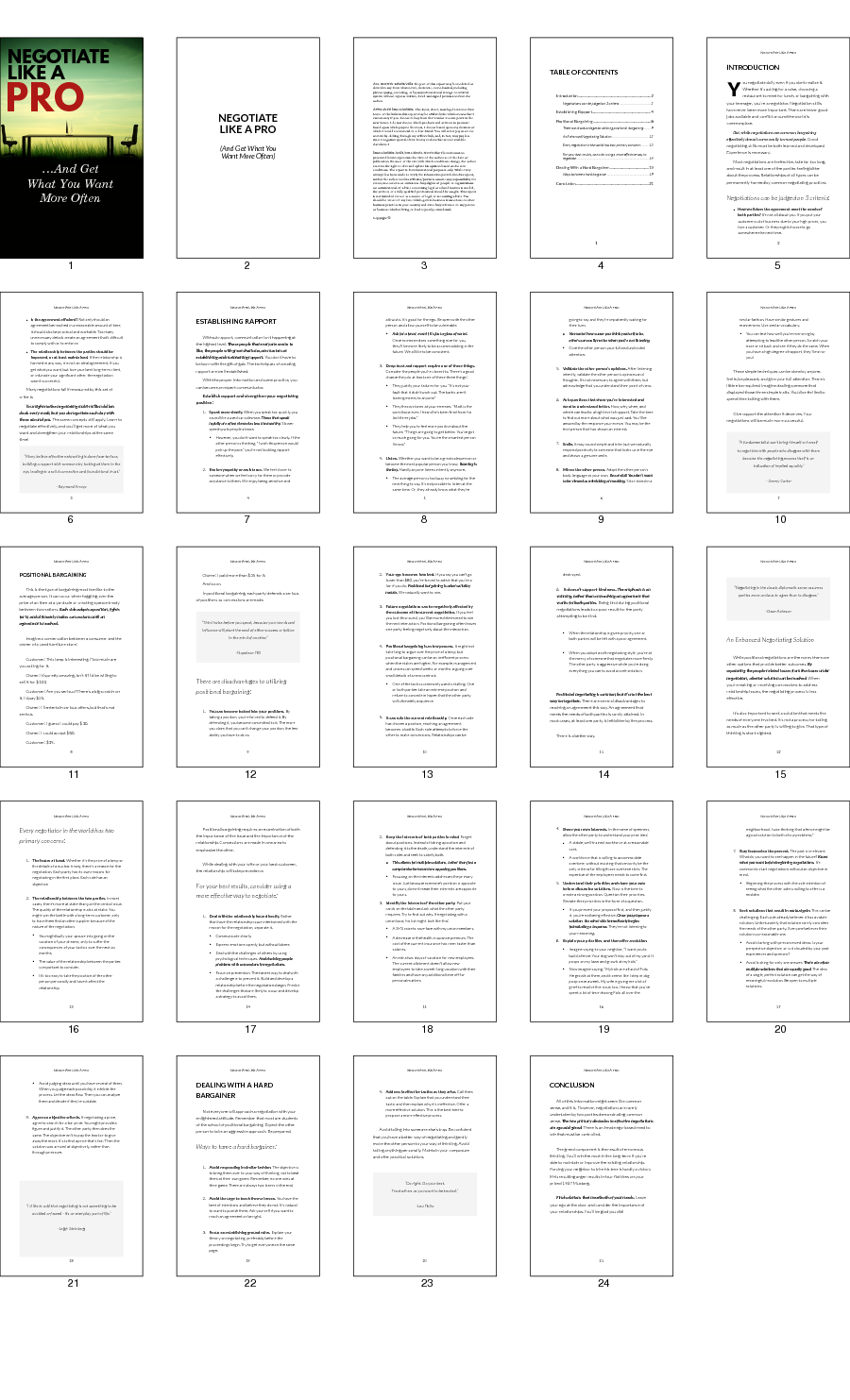
If you want more tips & techniques for negotiating, then subscribe & leave a comment on this post. I’ll email you my new E-Book as a bonus: Negotiate Like a Pro…And Get What You Want More Often

Three Surefire Ways To Crush IT Through A Recession

Successful managers and salespeople alike are constantly looking for new opportunities. They are confident in their product and their consumers’ ability to purchase it, and they are aware that tough economic times present opportunities that aren’t present in more prosperous times.

Photo by Razvan Chisu on Unsplash
  1. Get More Advertising for Your money.

It just makes sense that your advertising will generate less of a return than it would during an economic boom when the economy takes a turn for the worse. Of course, less money is being spent, but that doesn’t mean you have to see your profit margin shrink!

Just like you, advertisers are suffering from the recession, which has made them more desperate for customers. Even when you are already receiving a good bargain, the environment is ideal for negotiating your way to a lower price. For instance, if you have been paying an agency fee, rather than a flat fee, can you negotiate a percentage of revenue from sales driven by the agency’s efforts? This saves you the initial outlay of cash and gets your agency to have “skin” in the game. You will profit from the products by that much more for every up-front advertising dollar you can save.

Have you considered obtaining free publicity? Newspapers in your area are constantly looking for local news. Create news! Publicity is often free, but it’s a great way to expose your company to potential customers. If you have a new service offering or a new product line, use free resources like openpr.com (there are many others) to generate activity online that can be linked to and is SEO-friendly.

Is the size of your advertisements truly necessary? We have a tendency to believe that bigger is better, but the truth is that ads with 11 words or fewer frequently get more attention than longer ones. Try it out to immediately cut some expenses from your advertising budget. Additionally, is there a complimentary business or product to yours that you could co-op advertise together?

  1. Profit From Big Ticket Sales

During a downturn, not all of your clients experience hardship. It is common for many managers and salespeople alike to believe that consumers will begin to lean more towards cheaper products when times are tough, and that couldn’t be further from the truth. Don’t fall into the trap of thinking that you have to discount your product or service to stay ahead. Keep in mind that if you discount prices by 10% (assuming you’re at a 30% gross margin), you would need to sell 50% more units to maintain the same gross profit dollars. When considering a discount, always look at the other side of the equation to evaluate if you have the capacity, inventory, and capital to increase sales volume by an additional X% to maintain profit margins. Many consumers will evaluate risk differently during a downturn, and if your product is more expensive but a “safer” option, then don’t shy away from offering larger ticket items. Consumers who have a lot of faith in your products and services will also appreciate them much more in times of financial difficulty.

3. Increase Your Customer base.

Your clients are already aware of your excellent products and friendly customer service. They have faith in you to deliver for them. Consider this: Selling to someone you already have a relationship with is considerably simpler.

Take advantage of every chance to boost sales among your current consumer base. Do you sell a product to complement the one they’re buying? Toss it their way at the time of sale—think of it as “super sizing” their order. It is a tried-and-true strategy for boosting sales. The additional sales you can make from customers who currently do business with you might astound you.

Recession Proof Sales Techniques for Selling Home Improvements to Homeowners

Selling home improvements can be a lucrative business, but it can also be challenging, especially during times of economic uncertainty. With many homeowners tightening their belts and cutting back on expenses, it can be difficult to convince some to invest in home renovations. However, with the right sales techniques, you can still close deals and grow your business even during a recession.

Here, I’ll share some of the top recession-proof sales techniques for selling home improvements to homeowners. From building trust to offering financing options, we’ll cover everything you need to know to close more deals and thrive in a challenging market.

Building Trust

One of the most important things you can do as a salesperson is to build trust with your potential customers. Homeowners want to work with someone they can trust to do a good job and not take advantage of them. In a recession many businesses will be cutting costs in an effort to lower prices and in doing so quality can suffer. In a race to the lowest price, homeowners are willing to pay more for companies they can trust. Here are some ways to build trust with your customers:

  • Be honest and transparent: Don’t make false promises or exaggerate the benefits of your services. Be transparent about pricing and what your services include.
  • Provide references and testimonials: Show your potential customers that you have a track record of satisfied customers. Provide references and testimonials from previous clients to demonstrate your expertise and reliability. Many homeowners are aware of how easily some testimonials can be misrepresented (testimonials from family members, friends, employees, etc) so be sure to leverage other sources of credibility such as Better Business Bureau ratings, and other third party ratings.
  • Offer guarantees: Offer a satisfaction guarantee or warranty to show your customers that you stand behind your work.

By building trust with your customers, you’ll be more likely to close deals and earn repeat business.

Offering Financing Options

During a recession, many homeowners may be hesitant to spend money on home improvements, even if they’re necessary. Offering financing options can help make your services more accessible and affordable. This is another area where some business will see financing as an expense and look for cost-savings by either limiting financing options or eliminating them. Here are some financing options you can offer:

  • Payment plans: Offer payment plans that allow customers to pay for your product or services over time instead of all at once.
  • Home equity loans: Help your customers secure home equity loans to finance their home improvements.
  • Credit cards: Accept credit cards to make paying for your services more convenient for your customers.

By offering financing options, you can make your services more accessible to a wider range of customers and increase your chances of closing deals.

Creating a Sense of Urgency

Creating a sense of urgency can be a powerful sales technique, especially during a recession when customers may be more hesitant to spend money. Here are some ways to create a sense of urgency:

  • Limited-time offers: Offer limited-time discounts or promotions to encourage your customers to act quickly.
  • Emphasize the benefits: Highlight the benefits of your services and how they can improve your customers’ quality of life. Remind them of the potential costs of delaying or not investing in home improvements.
  • Show your availability: Let your customers know that your schedule is filling up quickly and that they may miss out on the opportunity to work with you if they don’t act soon.

By creating a sense of urgency, you can encourage your customers to act quickly and increase your chances of closing deals.

Overcoming Objections

Homeowners may have objections to investing in home improvements, especially during a recession. Here are some common objections and how to overcome them:

“It’s too expensive”: Offer financing options or emphasize the long-term benefits of the investment. For products or services that have a strong return on investment, whether through greater resale value or energy-savings, long-term financing options let these homeowners offset the initial costs through a low cost of ownership.

“I don’t have time”: Emphasize the convenience and time-saving benefits of your services. You can also work with the customer to create a timeline that works for them.

“I’m not sure it’s necessary”: Emphasize the potential cost savings and energy efficiency that come with home improvements. You can also provide references or testimonials from previous customers who have seen the benefits of your services.

By addressing objections and providing solutions, you can help your customers overcome their reservations and close more deals.

Upselling and Cross-Selling

Upselling and cross-selling can be effective sales techniques for increasing the value of each sale. Here are some tips for upselling and cross-selling:

Offer complementary services: If a customer is interested in one service, offer a related service that complements it. For example, if they’re interested in a window replacement, offer to also update their entry door as well.

Suggest upgrades: If a customer is considering a certain product or service, suggest an upgraded version that offers more features or benefits.

Large project discounts: Offer discounts for jobs that keep crews busy and reduces downtime to encourage customers to invest in larger projects.

By upselling and cross-selling, you can increase the value of each sale and grow your business.

Selling home improvements during a recession can be challenging, but it’s not impossible. By building trust, offering financing options, creating a sense of urgency, overcoming objections, and upselling and cross-selling, you can increase your chances of closing deals and growing your business. Remember to be honest, transparent, and customer-focused throughout the sales process, and you’ll be well on your way to recession-proof success.

Tips for Successfully Negotiating by Phone

Most of us negotiate something every day. Whether it’s getting our kids to willingly clean their rooms, or hammering out an elephant-sized contract with more details than a politician has “special-interest” donors, our ability to haggle effects our results. Here are some useful negotiating tips.

1. Define Your Negotiables Other than Price. Inexperienced, unconfident, or plain old lazy reps take the easy route and drop price at the first sign of the other person seeking to get a better deal. Instead, first determine what you could offer, if needed, that has high perceived value to them, but little cost to you. For example, moving up the delivery date if they need it quickly, extending the warranty period . . . some distributors and suppliers like to throw in some products the customer isn’t buying. This has high perceived value, and gets the customer to test the new product, which might pay off with future purchases.

2. Analyze Your Strengths, Their Needs. Before calling, list what you know they require and emotionally want, what you have, and what you want. You might know that this buyer always tries to pound you on price, but you also know you’re working from a position of strength because you’re the only one who has the quality of product he needs.

3. Set Your Objectives. Just like every call, define, “What do I want them to do as a result of this call, and what do I want to do?”

4. Aim High, Set Minimums. As part of your objectives, swing for the fence! Think big. Set the most favorable objective possible (one that is within reason). The richest sales reps I know can’t believe anyone would think otherwise. Likewise, set minimums that you’re willing to accept. You’ll know how much you have to play with.

5. Prepare for their Possible Tactics. It’s easier if you know the person. For example, knowing that Joe always starts with an outrageous request helps you prepare your counter-tactic. Otherwise, you need to dry-run through possible demands and tactics along with your responses so you’re not blindsided into giving away something you didn’t intend to.

6. Gather Information. As with all sales calls, the more you know the better.

7. Don’t Give More Information (or Anything Else) than Necessary. I’ve seen sales reps offer price concessions that weren’t asked for (“The price starts here, but I might be able to do a little better.”), and give up information that the customer used to ask for more concessions (“You mentioned another customer had additional training manuals thrown in free. I want those too.”)

8. Don’t Split the Difference. It’s human nature, but it costs you money. Let’s look at the math. Your asking price is $50. They offer you $30. You counter with $40 and they figure splitting the difference is fair. Your tactic: come back with a pained tone of voice, “I might be able to do $46 or $47.” It’s more likely you’ll end up better than $40. 

9. Trade Your Concessions. Get something in return. If you get them the better volume price, ask for a commitment for a blanket purchase order. One-sided giving rarely makes for a healthy relationship.

10. “If I, Will You?” A tactic to accomplish the previous point. Before agreeing to what they want, get commitment on what they’ll give in return. “If I’m able to move your request to the front of the line, will you increase the order by 500?”

I believe I read this in an ad in an airline magazine for a negotiation seminar: “You don’t get what you deserve; you get what you can negotiate.”

Subscriber Bonus:

If you want more tips & techniques around negotiating then stay tuned & subscribe! Soon I’ll be launching a new E-Book; Negotiate Like a Pro…And Get What You Want More Often

Don’t Take Selling Personal

Photo by Ryan Snaadt on Unsplash

Selling may be one of the most lucrative and exciting careers in the world when you’re closing sales and hitting your sales targets. However, if sales are down and prospects aren’t returning your calls, you may begin to doubt yourself and take it personally. So, let’s look at what it takes to stay motivated in order to bring in additional clients.

In order to get more clients and expand your business, follow these three steps.

1. Identifying and cultivating new customers.

2. Investing more time and effort into existing customers to increase referrals and business.

3. Making contact with higher-level decision-makers in order to gain larger deals. 

As a sales professional, we recognize the significance of reaching these goals. Why, then, do so many sales professionals struggle to get over the first hurdle? It appears that, as much as we want to succeed in sales, we also want to avoid rejection while calling on prospects and customers.

Let’s take a look at how rejection affects sales performance. Fear of rejection and failure might make you lose your excitement, confidence, and initiative. When you are rejected, it can be damaging to your ego. You may get disillusioned, upset, and defensive if you take the negativity personally.

We may take rejection personally for three reasons. Each of them is linked to one of the three goals. They are as follows:

Frequency: Studies have shown that reaching decision makers takes at least five attempts or more. You may be irritated, disheartened, and uncertain of yourself if you’ve been calling prospects all week and they haven’t responded. It’s difficult not to take it personally and believe you’ve done something wrong.

Emotional Involvement: You’ve had a long-term business relationship with a client. You put a lot of effort into building the relationship. You want to ask for referral business from them, but you’re terrified of putting them on the spot or getting a negative response. You’re worried that this may harm the connection you’ve fought so hard to build.

Perceived Importance: You may choose to call on prospects with whom you are most familiar. You may be hesitant to contact decision makers higher up the ladder in a company because you believe you lack the experience and confidence to engage with a seasoned senior executive. If you believe you have nothing in common with a company’s CEO, you are unlikely to contact him or her.

If we believe that in order to feel good about our work, we must be accepted by others, we will be vulnerable to failure and rejection. Because self-esteem is built on ones own sense of self-worth, successful sales professionals see failure as a chance to learn and improve. They feel that failure may teach them more than success, and that every mistake is an opportunity to learn and grow. This is why successful sales professionals are generally in a positive mind-set, whether they achieve or fail, whether they are liked or rejected.

So, what’s the secret to coping with rejection in a constructive way? It can be summed up in five terms… “Don’t take anything too seriously.” Shit happens Things take place. People get overworked. Customers are possibly having a rough day. The economy rises and falls. You have a decision to make. You may either take it personally and use it as an excuse for failure, or you can concentrate on the four things you have control over: your beliefs, attitude, emotions, and performance. Take care of those four things, and the rest will fall into place.

Change your thoughts to “My customer is extremely satisfied with my service and is eager to suggest me to others with similar challenges!” the next time you have a limiting thought like “I can’t ask for referrals because I don’t want my client to think I’m too pushy!” Shifting your thoughts is the first step toward changing your beliefs, but it’s not the end of the process. Begin by stating it out loud to yourself and then sharing it with others. It will become more real for you if you do so.

ASSIGNMENT:

Choose one of the three objectives in which you’d want to make a breakthrough:

1. Identifying and cultivating new clients.

2. Investing extra time in customers in order to earn referrals or new business.

3. Obtaining larger orders or contacting higher-level decision makers.

  • Cut a 3″ x 5″ index card in half. On one side of the card, put down all of your negative thoughts regarding achieving that goal. Don’t be afraid to speak your mind.
  • Reverse the negative thinking and write good thoughts on the other side of each index card. This is the first step toward changing a negative belief.
  • Begin by speaking the new affirmation aloud to yourself and sharing it with others to practice changing that thought.

Make a list of action items to take, and take one step toward achieving the goal today!

Sell for Change!

Photo by Ross Findon on Unsplash

Selling is all about getting buy-in for people and businesses to change, and change is always inherently risky. When given an option, most individuals will invariably opt for the status quo. People, and especially businesses, are creatures of habit, and changing their habits necessitates breaking old ones and forming new ones. Selling is challenging because it requires you to battle against human nature by influencing others to change (and you thought it would be simple!).

When you think about it, a lot of the opposition you’ll face in sales (objections, delays) is a result of risk. Most people will resist change if they consider the danger of changing is greater than the risk of staying the same. It’s tough to build the momentum needed to encourage people to change because of the old concept that “it’s better to live with the devil you know than the devil you don’t know.” It is a formidable force with which we shall all have to contend.

So, how can we reduce risk, or at least reduce the impression of threat, so that more customers are willing to take the risks necessary to experience the positive future result?

 Two essential tactics spring to mind:

1. Identifying and thoroughly understanding your prospects’ problems will encourage them to believe that you are less likely to sell them a solution that will not work because of your understanding. Asking questions that allow you to fully comprehend their circumstances will help to reduce their fear of risk.

2. Assisting them in seeing that the current “discomfort” (consequences, circumstances of remaining the same) will be mitigated by their willingness to go through the “discomfort” of change. Helping them in overcoming the apparent risk once more.

The first technique requires our ability to ask excellent “information seeking” questions.

Questions such as:

  • Could you tell me more about the issues you’re having?
  • How long have you been having these issues?
  • What steps have you taken to address them?
  • How did that work out for you?
  • What influence or repercussions do they have on you and your firm, specifically?
  • Are the issues costing you or your firm money?
  • What will happen if you don’t take care of them?

As you gain knowledge, you develop the notion that using the insight you’ve obtained, you’ll be more likely to make a solid recommendation…thus minimizing risk (you may also find this is a good strategy that helps to differentiate you from your competition).

The second method necessitates the use of “consequence” questions.

Questions such as:

  • What happens if nothing is done about it?
  • Do you think you’ll be able to live with this?
  • How would you feel if you weren’t able to tackle the problems?
  • Is there anyone else who is impacted by these issues?
  • Is it possible that you don’t need to be concerned?

These questions assist the prospect in realizing that failing to solve the problem may be a greater risk than the risk of change. They’re frequently the questions you’ll need to generate change momentum.

Your ability to ask both of these type of inquiries will aid you and your prospect in recognizing and limiting the risks associated with making a change. One of the secrets to being effective in sales is to reduce risk!

Are your negotiations rooted in myth? Here’s a dose of reality!

Photo by Sebastian Herrmann 

We’ve all been there — the dreaded negotiation with your most difficult customer at some point in our careers. Every year, he beats you to the ground on pricing and everything else you have to offer! Every discussion becomes a war very fast, and your self-confidence plummets.

There are several fallacies about negotiating that aren’t helpful if you’re dealing with a difficult scenario for the first time. However, like with many myths, the reality is generally quite different.

Myth: It may be a harrowing experience.

You tell a trustworthy colleague or coworker that you’re heading to negotiate next year’s large deal. What do they have to say? “Best of luck!” The majority of people consider negotiations to be an unpleasant and a difficult task, yet it is a necessary measure.

Reality: Not if you plan ahead of time.

As with all things in life, we fear the unknown, especially if we are unprepared. The reality of negotiating is that with adequate preparation comes confidence. Before your meeting sit down and ask yourself the following questions:

  1. What do you want out of this negotiation?
  2. What is your lowest, acceptable and best price?
  3. What are you prepared to ‘give away’ if necessary?
  4. What do you know about the other company’s position in the deal?
  5. If you don’t know much, what questions can you ask to improve your understanding?
  6. Thorough preparation is a great confidence booster. See the negotiation as a presentation and plan your approach and questions before hand.

Myth: Successful negotiators are born.

Most people believe that you either have it or you don’t when it comes to negotiating and if you’ve got, you must have been born with the abilty.

Reality: You can learn to be a good negotiator.

Like any skill in business, negotiation skills can be learned and put into practice. There are lots of books, youtube videos and seminars you can attend on this subject. Negotiation is a structured process and once you understand how it all works the task becomes easier. But as with any new skill you have to practice, practice, practice and this is where most people take short cuts. Once you’ve got the basics put in the reps to get highly skilled.

Myth: To strike a deal you have to concede on price

The perception is that many negotiations end up with one of the parties always having to concede on price just to secure the deal.

Reality: There are other items you can concede on

The reality in any negotiation is that price is not always the deciding factor. There is usually something else that the other party wants in addition to, or instead of, a lower price. It could be that they need the product or service quickly and may be prepared to pay a premium for a fast delivery. They may want the product changed slightly to meet their specifications. They may like some on-site support for implementation.

In your research and needs-analysis it’s up to you to find out what they really want. Dig deep and find it because every part of the deal is negotiable, not just the price. Once you have hit upon it, before conceding on price, bring it into the discussion. Remember, this could be something which means very little to you but a lot to them.

Myth: If their first offer is what you want, say yes

After your sales pitch your client comes back and immediately offers exactly what you wanted. Wow, what a great outcome! He’s got what he wants and so do you. Deal done!

Reality: Always counter the first offer

If you accept immediately there are two problems:

  1. Your customer will think he’s accepted bad deal, “I accepted straight away! I could have had a much better deal. I’m sure I went in too high.” With these thoughts going through his mind he won’t feel totally happy with the deal and the chance of cancellation or no future business is higher.
  2. It’s likely that this is your customer’s opening budget. Opening budgets are usually on the low side and used as a starting point. Accepting now, even if it’s what you were looking for, could mean you throwing away margin.

There are instances where the customer will say “I don’t negotiate. This is the price I’m prepared to pay.” He has set the rules, so as long as you are happy with the price, go for it!

Myth: Negotiations have only one winner

If you have a competitive streak this is how you will see a negotiation – something to win or lose. Non-competitive people who believe this myth automatically lower their defences and quickly cave in to the ‘stronger’ player.

Reality: Successful negotiations have two winners

Negotiation is not a competition. The ideal outcome should be win-win, where both sides feel they’ve achieved something out of the whole process – one got a sale at a price he wanted and the other got a purchase at a price he wanted.

Win-win outcomes leave the door open for building strong relationships which will lead to more business in the future. Win-lose outcomes mean that one side will be reluctant to deal again. If, by your very nature, you are a competitive person, temper this and accept the reality that the negotiation process has to have two winners, not just you! 

Myth: If you walk away, that’s it

You have found the perfect customer but you don’t get the agreement on price or any concessions and the deal never materializes. However, you are afraid about loosing the opportunity so you decide to go for it anyway, at any price.

Reality: Opportunities often come around again especially when you’ve got a full pipeline of potential customers

Accepting a deal through fear is not a position you want to be in. You will always have a nagging doubt that you didn’t hold the margins necessary to make the living you want and you gave away something which you should not have. Be strong enough to walk away from a deal if it’s not what’s best for you or your company.

You have to learn to detach yourself from the underlying deal and avoid getting emotionally involved with the product or service. Just concentrate on getting the best result. Being emotionally detached means you can walk away with no doubts. You may find that a few days later the seller will be back engaging you in conversation with another offer. Remember that opportunities always pop up and walking away is not a failure!

So take a fresh look at negotiating. Are you clinging onto old myths about how negotiating should be done? Accept that the reality can be very different!

My Top 5 Recommended Books on Selling

Photo by Shiromani Kant

Mark Twain once said, “The man who does not read good books has no advantage over the man who cannot read.”

Here are short links for you to find on Amazon:

  1. Objections: The Ultimate Guide for Mastering the Art and Science of Getting Past No Jeb Blount does an excellent job of outlining the mental process of addressing objections rather than rejection. This is my favorite book on closing and isn’t your typical anectdotal approach to objections that you find in sales.
  2. Triggers: Creating Behavior That Lasts-Becoming the Person You Want to Be While this isn’t technically a “sales” book, being truly effective in sales is about engaging in the right behaviors consistently. While there are many books that will tell you exactly what sales behaviors to do- none of them get to the psychology of root behaviors. Goldsmith does an excellent job of understanding the psychology behind the behaviors we choose to engage in (sales or not).
  3. Escaping the Price Driven Sale: How World Class Sellers Create Extraordinary Profit Anyone who knows me knows that I am a BIG fan of SPIN Selling. When your value is determined by your ability to be consultative, there is simply no better sales methodology than SPIN, in my opinion. Escaping the Price Driven Sale is a great companion to SPIN Selling and further deepens the understanding of the SPIN methodology.
  4. Emotional Intelligence for Sales Success: Connect with Customers and Get Results Talk to anyone who works in sales and they will undoubtedly tell you that it’s an emotional rollercoaster of a profession. Enter; Emotional Intelligence. If you don’t have it- your success, if any, will be shortlived. If you don’t have it, and you find success, you’ll never become a great leader- you’ll be pigeon holed. Just get it and be grateful that you made the investment in yourself.
  5. The Sales Bible: The Ultimate Sales Resource I simply enjoy Jeffrey’s approach to all things sales. It’s short and to the point. He over delivers on what he promises and his approaches simply work. The amount of complimentary resources he provides on his website through this book is worth 10x’s what he charges for the book. You’ll be referencing this for years to come and should be a staple on your shelf.

As with any list it’s hard to narrow down to just five, and some would be debatable depending on the stage of your sales career. I consider these to be foundational to the profession of sales. I could create lists upon lists should we get into the various facets of sales; presenting, speaking, communicating, building value, prospecting, asking for referrals, so on, and so on. Hey- there’s my next few lists ideas 🙂

What books are staples on your “sales” shelf?

On Goodreads? Let’s connect there!

Eight Ways To Sell Value- Not Price!

If you want to get paid what you’re worth here are eight ways to sell value – not price

1. Be Unique. If there is nothing that differentiates you from your competition you become common. Webster defines the word common as, “ordinary or not special” and the only way buyers select one common service over another is price. Take inventory of your skills, experience and knowledge. Are you a specialist in some area? Are you an expert in certain facets of your business? These and other differentiators can make you unique and valuable to a select group of clients.

2. Choose Your Clients Carefully: Don’t ever let your clients choose you or you will be at their mercy. If a deal is going to close successfully, the true professional should be in control, not the client. To begin controlling your business, write down the attributes of the people you want as clients and then go out and get them with targeted marketing. I hope the first item on your list of attributes is that they are people you enjoy spending time with. Being a business owner is far too difficult to work with people you don’t like just to earn a living. Turn away people who don’t meet your criteria. When you reject or refer clients it tells the world that you don’t just work with anyone, you are selective which raises your perceived value. It also makes you unique from other businesses who will work with anyone who can bring them a paycheck.

3. Set High Standards: If you work with anyone and everyone your value drops. If people have to qualify to work with you your value increases. Of course you know that there are prospects who will ask you to give them a bid with no intention of ever buying from you. They’re planning to use your bid to leverage a discount with their current vendor or any one of a dozen other reasons that they want your knowledge but not your services. Then there are buyers who will use your time and then purchase through another vendor. Don’t ever meet with a potential client until you ask a logical list of questions to determine their seriousness and loyalty. You need to know their motivation and if they are interviewing other vendors. You also need to know if they’re financially qualified. If you don’t have serious, financially solvent, and loyal clients, your valuable time may be better spent somewhere else.

4. Compete On Value, Not Price: No disrespect intended to other business models, but it doesn’t take any special skill, experience or knowledge to compete on price. All you have to do is be the cheapest, but this is a losing game. History reminds us of the housing price wars of the mid 2000’s when there were more houses that people in the market. To gain market share, one would cleverly lower its price, but then all the others quickly followed suit and the only result was that everyone’s profit margin was reduced.

The way to get paid what you’re worth is to visibly demonstrate your value to your clients. If you find that difficult to do make sure you work with vendors that can help you in that conversation to your end customer. Competing on price does not create value.

5. Create Value In The Eyes Of Clients: Frankly, most people throughout the country believe that people in sales do little to earn their commissions. This is our fault because we should be educating them about how hard we work before ever accepting them as clients. Keeping prices firm is a problem for many business’s until you start tracking all the different duties required to earn your pay. I suggest you developed lists of activities that you do for customers. This amazes clients because most have no idea how complicated their orders sometimes can be (whether it’s manufacturing, servicing, fulfillment, etc.) Since sales reps and business owners began creating these lists they’ve rarely, if ever, have had to cut prices. If a prospect asks for a discount simply show them the list and say, “Here are just some of the activities I must complete to earn my money. Why don’t you point out the things that you’d be willing to do instead of me. If you save me time then we can talk about saving you money because I earn every penny I get.” When confronted with a list that runs nearly ten pages long their eyes glaze over and they usually respond with something like, “You’re the expert, I expect you to do this work!” To which you simply say, “If you want me to do all of these activities on your behalf then I need to paid what I’m worth. If you want to pay less, I’ll see if I can find someone who will do less and maybe they can save you some money.”

6. Educate Your Clients About How Much You Make. After speaking to thousands of sales reps, customers and business owners all over the country for the past 20 years it’s clear to me that the average prospect is clueless about how your prices are determined, factoring in overhead and other expenses you have to run your businesses. Customers often get caught up in comparing product specs while not taking into account the business model. For many business owners they have chosen a business model that either adds more value to the customer experience, thus increases overhead, or have chosen a business model that reflects a pricing strategy. The latter typically involves reducing overhead; service reps, technicians, all benefits that lead to customer retention, and these decisions affect the customer experience as well. When agents are trained to speak to these differences a customer can evaluate if the additional costs equates to adding value to meet their expectations.

7. Provide value that no one else offers. When prospects do business with you, do they get a complete outline that explains your process from start to finish? Does it include samples, a list of service providers that could be involved in the process? Other competing business may not offer any of these benefits, so if a client wants to work with you they must pay what you ask.

8. Reject price shoppers. Studies show that only 15-18% of people make their decision to purchase a product or service primarily based on price. This means that the majority of clients appreciate value and are willing to pay for it – if they see it.

Don’t forget that real professionals earn their money by helping clients maximize value, minimize costs, save time, and much more. If potential clients don’t appreciate this then feel free to refer them to your competition.