Navigating the Price Game: Mastering the Art of Negotiation with Buyers

When it comes to negotiations, buyers often try to push for lower prices to maximize their own gains. As a seller, it’s important to be aware of the tactics buyers use and to develop effective strategies to navigate these situations. In this article, I will explore the five most common ways buyers negotiate lower prices and provide insights on how to respond as a seller. Whether you are in sales or simply interested in understanding the dynamics of negotiation, this article will equip you with valuable knowledge to achieve win-win outcomes.

A LOST (when effectively negotiated) deal is often better than a BAD deal

1. One Last Request: Appealing to the Seller’s Desire for Closure

Buyers often employ the “one last request” tactic to secure a final concession from the seller. This tactic occurs at the end of a negotiation when the buyer requests one additional change to seal the deal. The effectiveness of this tactic lies in the seller’s eagerness to close the sale and their willingness to make a final concession in exchange for the buyer’s signature.

To effectively counter this tactic, sellers should remain diligent in evaluating the value of the requested change and considering whether it aligns with their pricing and objectives. It is essential to communicate the rationale behind your decision and signal that you understand the buyer’s request without compromising the overall value proposition.

2. Flinch Test: Challenging the Seller’s Initial Price

The “Flinch Test” tactic involves buyers insisting that the seller’s price is too high and demanding a better offer. This tactic is often used regardless of the circumstances and aims to evoke a concession from the seller solely based on a price reduction.

As a seller, it is crucial to resist the temptation to immediately concede to price demands. Instead, focus on highlighting the unique value your product or service offers and the reasons behind your pricing. Demonstrate the differentiation and benefits that set your offering apart from competitors. By emphasizing the value proposition, you can shift the negotiation away from pure price discussions and towards mutually beneficial outcomes.

3. Split the Difference: Appealing to Fairness

Buyers may suggest “splitting the difference” as a negotiation technique, portraying it as a reasonable compromise. However, sellers must be cautious, as meeting in the middle may not always result in a fair outcome for both parties.

To navigate this tactic, sellers should focus on rationalizing their pricing based on the value provided. Engage in open discussions with the buyer to understand their concerns and identify alternative concessions that align with the overall value proposition. By showing a willingness to collaborate while safeguarding your pricing, you can establish a partnership based on transparency and shared benefits.

Sellers want to be seen as reasonable. They want to create a partnership. When buyers say, “Why don’t we meet in the middle?” there’s an emotional appeal of showing good faith by splitting the difference.

Mike Schultz, Rain Group

4. Anchoring: Establishing a Low Budget Threshold

The “anchoring” tactic involves buyers sharing a low budget early in the negotiation to set the stage for further bargaining at a reduced price. By presenting a low anchor, buyers aim to influence sellers to provide lower estimates and increase their chances of securing a better deal.

Sellers must be aware of anchoring effects and the cognitive bias associated with the first offer in a negotiation. It’s crucial to understand the buyer’s budget and pricing expectations while highlighting the unique value your product or service brings. By framing the conversation around the value derived from your offering, you can counteract the anchoring effect and build a foundation for discussions based on the benefits your solution provides.

5. Meeting with Your Competitor Today: Leveraging Time Pressure

Buyers often use time-pressure tactics, such as presenting an offer within a tight timeframe or hinting at engaging with a competitor. These tactics aim to create a sense of urgency and scarcity, pushing sellers to make concessions quickly.

To counter time-pressure tactics, sellers should remain composed and analyze the situation objectively. Evaluate the buyer’s timeline and ensure you have a clear understanding of the value your product or service brings to the table. Demonstrate confidence in your offering and focus on the long-term benefits rather than succumbing solely to short-term pressures. By communicating the value and emphasizing the partnership potential, you can mitigate the effects of time-pressure tactics and maintain control over the negotiation process.

The Bottom Line

Negotiations are a crucial part of the consultative sales process, and understanding the tactics buyers employ can significantly impact your ability to secure favorable outcomes. By familiarizing yourself with the five most common ways buyers negotiate lower prices and developing effective responses, you can position yourself as a strategic partner who emphasizes value creation and mutual benefits.

Remember, negotiations should always strive for win-win outcomes where both parties feel satisfied with the agreement reached. By employing strategies that focus on highlighting the value of your offering and fostering open communication

FAQs:

Q1: How can sellers effectively respond to the “One Last Request” tactic?

In response to the “One Last Thing” tactic, sellers can employ Chris Voss’s technique of labeling, introduced in his book, “Never Split the Difference: Negotiating as if Your Life Depended on It”. Labeling involves acknowledging the buyer’s request and labeling it as legitimate while reframing it to gain perspective.

For example, respond with, “I understand that this is important to you, and I can see why you’d want this. Let’s take a step back and explore how this change aligns with the overall value we’re providing.”

Q2: What strategies can sellers employ to counter the “flinch test” tactic?

In dealing with the “Flinch Test” tactic, sellers can apply Chris Voss’s technique of mirroring. Mirroring entails repeating the buyer’s words or the last few key words to encourage further elaboration and create a collaborative atmosphere. By saying, “So you’re looking for a better price?”, sellers gather more information and show a willingness to understand the buyer’s perspective. This allows for a more thoughtful response rather than immediately conceding to price demands.

Q3: Are there situations where buyers’ negotiation tactics can be beneficial for sellers?

Yes, there are instances where buyers’ negotiation tactics can be advantageous for sellers. Chris Voss explains the importance of utilizing and adopting a mindset of “tactical empathy”. Through active listening, sellers can uncover the underlying motivations and concerns driving the buyer’s negotiation tactics. By understanding these factors, sellers can adapt their approach to address the true needs of the buyer and arrive at a mutually beneficial outcome.

Q4: How can sellers effectively respond to time pressures buyers use by leveraging competitive research?

An accusation audit, a technique introduced by Chris Voss, can be a powerful tool in negotiations. Instead of shying away from potential criticisms or concerns, the accusation audit allows sellers to address them head-on.

For example:

Buyer: “I’m meeting with your competitor this afternoon, and I’m sure they can do better. Is that the best you can do?”

Seller: “It sounds like you believe our price is too high and that we may not be offering enough value for the investment. I can understand why you might think that, as there are many options on the market. However, I’d like the opportunity to highlight the unique benefits and superior quality/service we provide.”

By leading with a statement that acknowledges the buyer’s concern or accusation, the seller demonstrates empathy and shows a willingness to address potential reservations. This can lead to a more open and constructive dialogue, allowing both parties to explore ways to create value and find a mutually beneficial solution.


Ready to take your sales game to the next level?🚀

Don’t miss out on exclusive tips, insights, and strategies to boost your sales and sales leadership skills! Hit the subscribe button and join a community of sales enthusiasts like yourself!

📩 Stay up-to-date with the latest blog posts, packed with practical advice and real-world examples that will help you close more deals and inspire your sales team.

🔗 Want more valuable content? Check out the library of articles for a treasure trove of sales wisdom just waiting to be discovered. From prospecting techniques to negotiation tactics, I’ve got you covered!

👍 If you found this article helpful, give it a thumbs up and share it with your network. Help spread the word and empower others to achieve sales excellence!

Remember, success in sales starts with knowledge and continuous learning. Don’t miss out—subscribe, explore, and share today!


Subscriber Bonus:

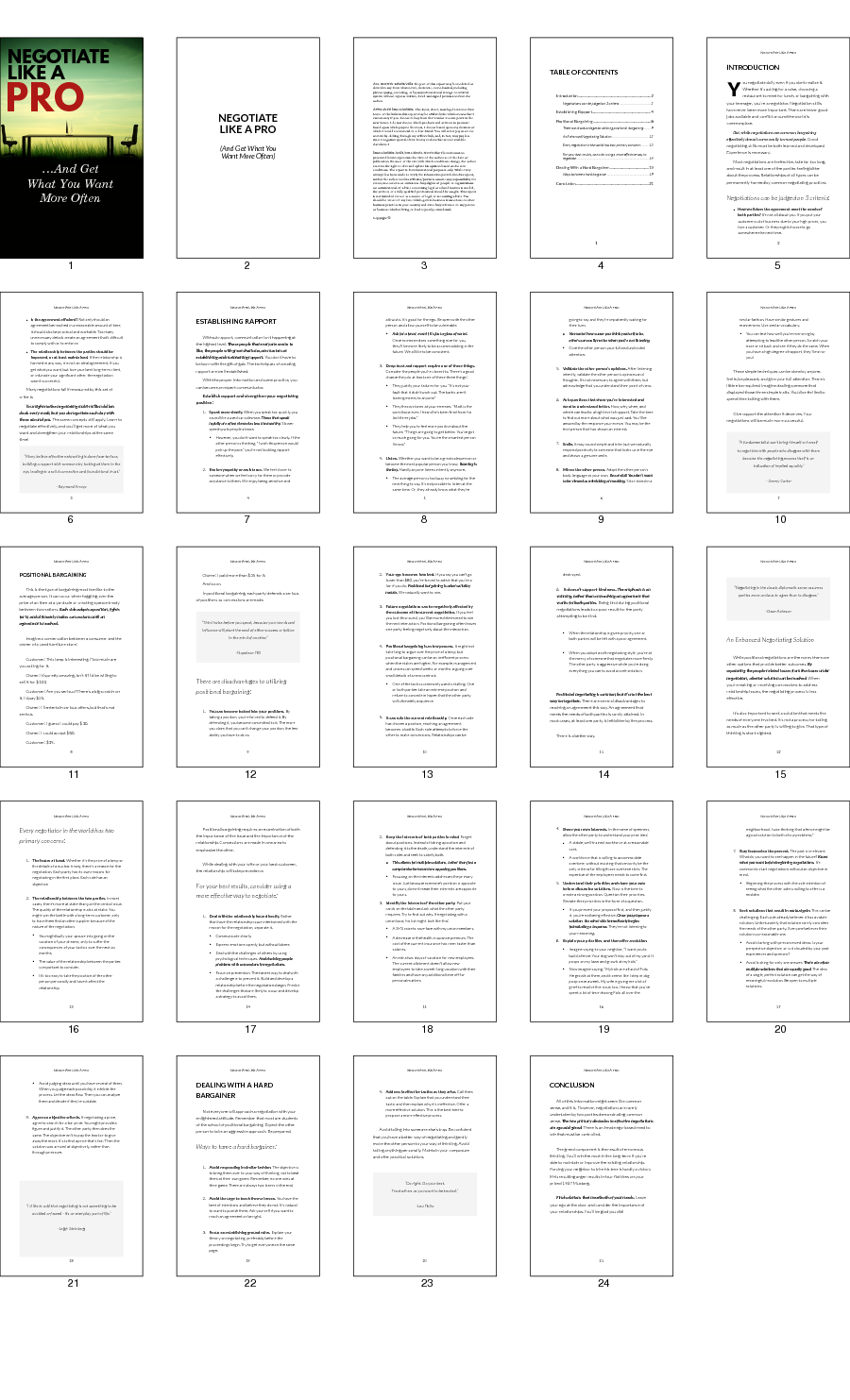
If you want more tips & techniques for negotiating, then subscribe & leave a comment on this post. I’ll email you my new E-Book as a bonus: Negotiate Like a Pro…And Get What You Want More Often

Three Surefire Ways To Crush IT Through A Recession

Successful managers and salespeople alike are constantly looking for new opportunities. They are confident in their product and their consumers’ ability to purchase it, and they are aware that tough economic times present opportunities that aren’t present in more prosperous times.

Photo by Razvan Chisu on Unsplash
  1. Get More Advertising for Your money.

It just makes sense that your advertising will generate less of a return than it would during an economic boom when the economy takes a turn for the worse. Of course, less money is being spent, but that doesn’t mean you have to see your profit margin shrink!

Just like you, advertisers are suffering from the recession, which has made them more desperate for customers. Even when you are already receiving a good bargain, the environment is ideal for negotiating your way to a lower price. For instance, if you have been paying an agency fee, rather than a flat fee, can you negotiate a percentage of revenue from sales driven by the agency’s efforts? This saves you the initial outlay of cash and gets your agency to have “skin” in the game. You will profit from the products by that much more for every up-front advertising dollar you can save.

Have you considered obtaining free publicity? Newspapers in your area are constantly looking for local news. Create news! Publicity is often free, but it’s a great way to expose your company to potential customers. If you have a new service offering or a new product line, use free resources like openpr.com (there are many others) to generate activity online that can be linked to and is SEO-friendly.

Is the size of your advertisements truly necessary? We have a tendency to believe that bigger is better, but the truth is that ads with 11 words or fewer frequently get more attention than longer ones. Try it out to immediately cut some expenses from your advertising budget. Additionally, is there a complimentary business or product to yours that you could co-op advertise together?

  1. Profit From Big Ticket Sales

During a downturn, not all of your clients experience hardship. It is common for many managers and salespeople alike to believe that consumers will begin to lean more towards cheaper products when times are tough, and that couldn’t be further from the truth. Don’t fall into the trap of thinking that you have to discount your product or service to stay ahead. Keep in mind that if you discount prices by 10% (assuming you’re at a 30% gross margin), you would need to sell 50% more units to maintain the same gross profit dollars. When considering a discount, always look at the other side of the equation to evaluate if you have the capacity, inventory, and capital to increase sales volume by an additional X% to maintain profit margins. Many consumers will evaluate risk differently during a downturn, and if your product is more expensive but a “safer” option, then don’t shy away from offering larger ticket items. Consumers who have a lot of faith in your products and services will also appreciate them much more in times of financial difficulty.

3. Increase Your Customer base.

Your clients are already aware of your excellent products and friendly customer service. They have faith in you to deliver for them. Consider this: Selling to someone you already have a relationship with is considerably simpler.

Take advantage of every chance to boost sales among your current consumer base. Do you sell a product to complement the one they’re buying? Toss it their way at the time of sale—think of it as “super sizing” their order. It is a tried-and-true strategy for boosting sales. The additional sales you can make from customers who currently do business with you might astound you.

Tips for Successfully Negotiating by Phone

Most of us negotiate something every day. Whether it’s getting our kids to willingly clean their rooms, or hammering out an elephant-sized contract with more details than a politician has “special-interest” donors, our ability to haggle effects our results. Here are some useful negotiating tips.

1. Define Your Negotiables Other than Price. Inexperienced, unconfident, or plain old lazy reps take the easy route and drop price at the first sign of the other person seeking to get a better deal. Instead, first determine what you could offer, if needed, that has high perceived value to them, but little cost to you. For example, moving up the delivery date if they need it quickly, extending the warranty period . . . some distributors and suppliers like to throw in some products the customer isn’t buying. This has high perceived value, and gets the customer to test the new product, which might pay off with future purchases.

2. Analyze Your Strengths, Their Needs. Before calling, list what you know they require and emotionally want, what you have, and what you want. You might know that this buyer always tries to pound you on price, but you also know you’re working from a position of strength because you’re the only one who has the quality of product he needs.

3. Set Your Objectives. Just like every call, define, “What do I want them to do as a result of this call, and what do I want to do?”

4. Aim High, Set Minimums. As part of your objectives, swing for the fence! Think big. Set the most favorable objective possible (one that is within reason). The richest sales reps I know can’t believe anyone would think otherwise. Likewise, set minimums that you’re willing to accept. You’ll know how much you have to play with.

5. Prepare for their Possible Tactics. It’s easier if you know the person. For example, knowing that Joe always starts with an outrageous request helps you prepare your counter-tactic. Otherwise, you need to dry-run through possible demands and tactics along with your responses so you’re not blindsided into giving away something you didn’t intend to.

6. Gather Information. As with all sales calls, the more you know the better.

7. Don’t Give More Information (or Anything Else) than Necessary. I’ve seen sales reps offer price concessions that weren’t asked for (“The price starts here, but I might be able to do a little better.”), and give up information that the customer used to ask for more concessions (“You mentioned another customer had additional training manuals thrown in free. I want those too.”)

8. Don’t Split the Difference. It’s human nature, but it costs you money. Let’s look at the math. Your asking price is $50. They offer you $30. You counter with $40 and they figure splitting the difference is fair. Your tactic: come back with a pained tone of voice, “I might be able to do $46 or $47.” It’s more likely you’ll end up better than $40. 

9. Trade Your Concessions. Get something in return. If you get them the better volume price, ask for a commitment for a blanket purchase order. One-sided giving rarely makes for a healthy relationship.

10. “If I, Will You?” A tactic to accomplish the previous point. Before agreeing to what they want, get commitment on what they’ll give in return. “If I’m able to move your request to the front of the line, will you increase the order by 500?”

I believe I read this in an ad in an airline magazine for a negotiation seminar: “You don’t get what you deserve; you get what you can negotiate.”

Subscriber Bonus:

If you want more tips & techniques around negotiating then stay tuned & subscribe! Soon I’ll be launching a new E-Book; Negotiate Like a Pro…And Get What You Want More Often

Are your negotiations rooted in myth? Here’s a dose of reality!

Photo by Sebastian Herrmann 

We’ve all been there — the dreaded negotiation with your most difficult customer at some point in our careers. Every year, he beats you to the ground on pricing and everything else you have to offer! Every discussion becomes a war very fast, and your self-confidence plummets.

There are several fallacies about negotiating that aren’t helpful if you’re dealing with a difficult scenario for the first time. However, like with many myths, the reality is generally quite different.

Myth: It may be a harrowing experience.

You tell a trustworthy colleague or coworker that you’re heading to negotiate next year’s large deal. What do they have to say? “Best of luck!” The majority of people consider negotiations to be an unpleasant and a difficult task, yet it is a necessary measure.

Reality: Not if you plan ahead of time.

As with all things in life, we fear the unknown, especially if we are unprepared. The reality of negotiating is that with adequate preparation comes confidence. Before your meeting sit down and ask yourself the following questions:

  1. What do you want out of this negotiation?
  2. What is your lowest, acceptable and best price?
  3. What are you prepared to ‘give away’ if necessary?
  4. What do you know about the other company’s position in the deal?
  5. If you don’t know much, what questions can you ask to improve your understanding?
  6. Thorough preparation is a great confidence booster. See the negotiation as a presentation and plan your approach and questions before hand.

Myth: Successful negotiators are born.

Most people believe that you either have it or you don’t when it comes to negotiating and if you’ve got, you must have been born with the abilty.

Reality: You can learn to be a good negotiator.

Like any skill in business, negotiation skills can be learned and put into practice. There are lots of books, youtube videos and seminars you can attend on this subject. Negotiation is a structured process and once you understand how it all works the task becomes easier. But as with any new skill you have to practice, practice, practice and this is where most people take short cuts. Once you’ve got the basics put in the reps to get highly skilled.

Myth: To strike a deal you have to concede on price

The perception is that many negotiations end up with one of the parties always having to concede on price just to secure the deal.

Reality: There are other items you can concede on

The reality in any negotiation is that price is not always the deciding factor. There is usually something else that the other party wants in addition to, or instead of, a lower price. It could be that they need the product or service quickly and may be prepared to pay a premium for a fast delivery. They may want the product changed slightly to meet their specifications. They may like some on-site support for implementation.

In your research and needs-analysis it’s up to you to find out what they really want. Dig deep and find it because every part of the deal is negotiable, not just the price. Once you have hit upon it, before conceding on price, bring it into the discussion. Remember, this could be something which means very little to you but a lot to them.

Myth: If their first offer is what you want, say yes

After your sales pitch your client comes back and immediately offers exactly what you wanted. Wow, what a great outcome! He’s got what he wants and so do you. Deal done!

Reality: Always counter the first offer

If you accept immediately there are two problems:

  1. Your customer will think he’s accepted bad deal, “I accepted straight away! I could have had a much better deal. I’m sure I went in too high.” With these thoughts going through his mind he won’t feel totally happy with the deal and the chance of cancellation or no future business is higher.
  2. It’s likely that this is your customer’s opening budget. Opening budgets are usually on the low side and used as a starting point. Accepting now, even if it’s what you were looking for, could mean you throwing away margin.

There are instances where the customer will say “I don’t negotiate. This is the price I’m prepared to pay.” He has set the rules, so as long as you are happy with the price, go for it!

Myth: Negotiations have only one winner

If you have a competitive streak this is how you will see a negotiation – something to win or lose. Non-competitive people who believe this myth automatically lower their defences and quickly cave in to the ‘stronger’ player.

Reality: Successful negotiations have two winners

Negotiation is not a competition. The ideal outcome should be win-win, where both sides feel they’ve achieved something out of the whole process – one got a sale at a price he wanted and the other got a purchase at a price he wanted.

Win-win outcomes leave the door open for building strong relationships which will lead to more business in the future. Win-lose outcomes mean that one side will be reluctant to deal again. If, by your very nature, you are a competitive person, temper this and accept the reality that the negotiation process has to have two winners, not just you! 

Myth: If you walk away, that’s it

You have found the perfect customer but you don’t get the agreement on price or any concessions and the deal never materializes. However, you are afraid about loosing the opportunity so you decide to go for it anyway, at any price.

Reality: Opportunities often come around again especially when you’ve got a full pipeline of potential customers

Accepting a deal through fear is not a position you want to be in. You will always have a nagging doubt that you didn’t hold the margins necessary to make the living you want and you gave away something which you should not have. Be strong enough to walk away from a deal if it’s not what’s best for you or your company.

You have to learn to detach yourself from the underlying deal and avoid getting emotionally involved with the product or service. Just concentrate on getting the best result. Being emotionally detached means you can walk away with no doubts. You may find that a few days later the seller will be back engaging you in conversation with another offer. Remember that opportunities always pop up and walking away is not a failure!

So take a fresh look at negotiating. Are you clinging onto old myths about how negotiating should be done? Accept that the reality can be very different!