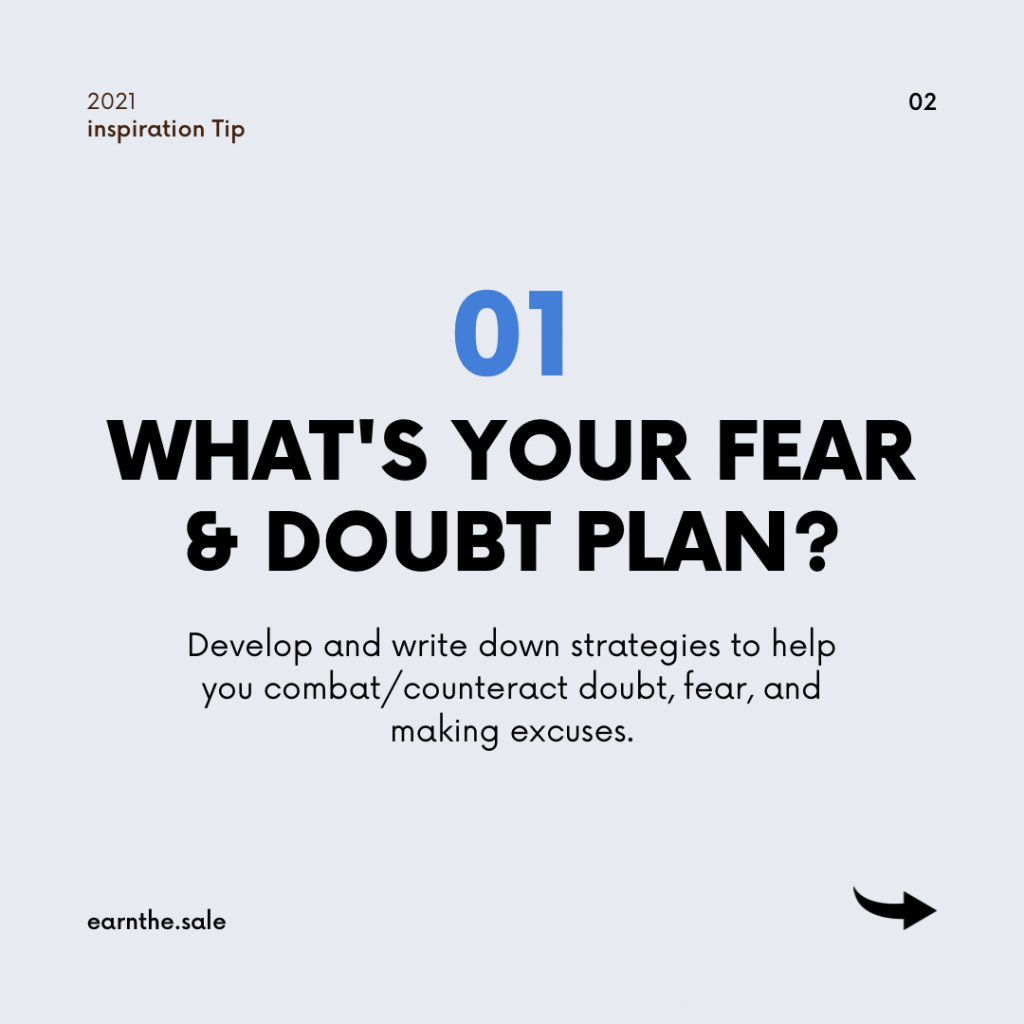
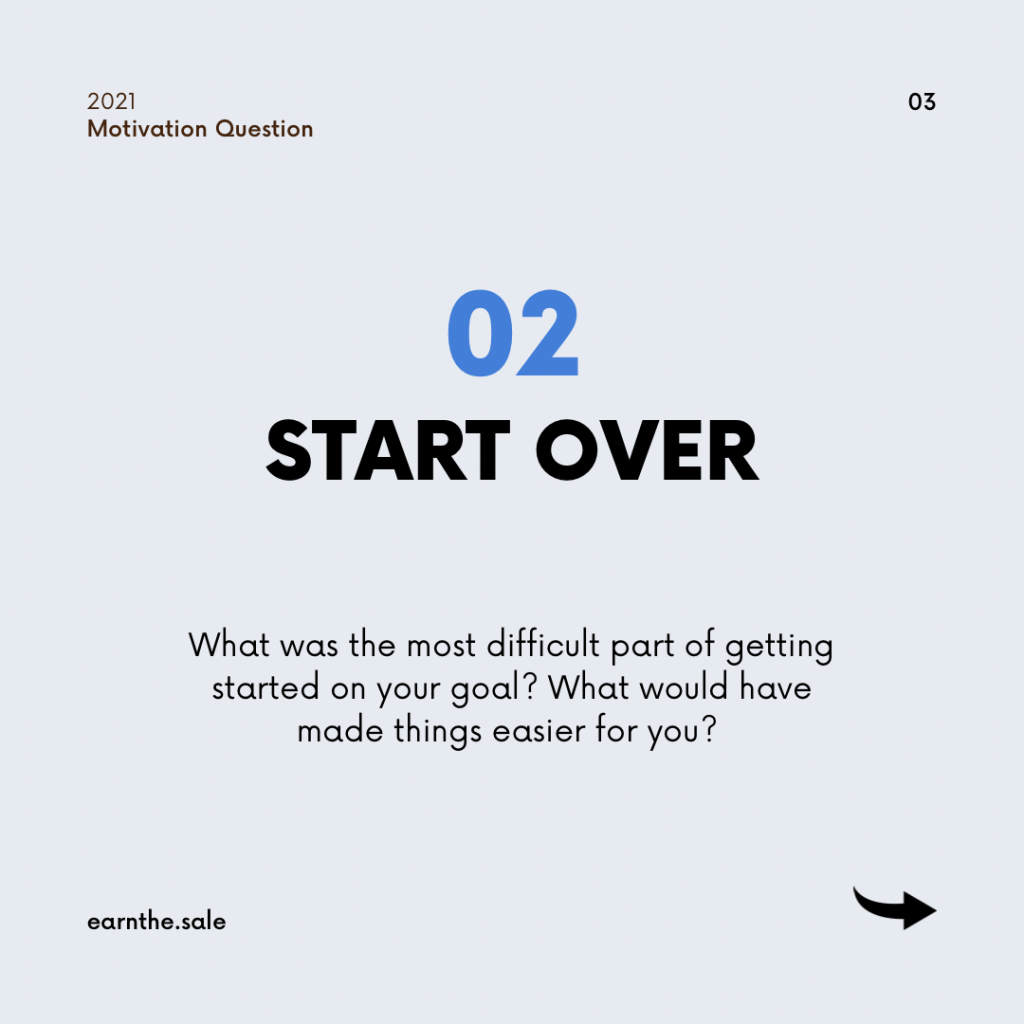



Through any self-development journey, it becomes clear that your greatest adversary is often yourself. Between your limiting beliefs and bad habits, you’re the only one standing in your way. We frequently set unrealistic expectations for ourselves and question our potential to thrive in the future based on our past failures. These methods can help you in breaking through your self-imposed barriers:
1. Decide what you are no longer willing to put up with from yourself. You’ve had to put up with a lot. Not planning out your day r, procrastination, and finding excuses for not doing the “necessary work” on a regular basis are likely to be regular occurrences. You receive terrible outcomes when you tolerate lousy behavior. Make a list of everything you won’t do or tolerate in this new year. It’s critical to eliminate attitudes and practices that hold you back from reaching new heights.
2. Establish your goals. Set greater and better goals for yourself and stick to them. Consider the worst parts of your job and begin there. It’s the low-rated parts of your job that set your boundaries and suffocate your joy. Maintain perspective, low and high performing individuals share one common thread, there is always parts of the job that they don’t like.
3. Identify the five most critical habits for your future success. What five things can you do every day to change your experience? Look to your goals for direction. Here are a few examples:
What you do every day matters. It’s easy to see why some feel helpless in their work. Our day is made of rituals and you can begin to see how people feel and the results they get if you look at your typical day. What can you do every day to ensure that this year will be incredible?
4. Look for a good mentor. It might be difficult to locate good mentors, yet it is one of the most effective strategies to getting better results.
5. Make a written assessment of each day. Make a list of the things you performed well and those you did poorly at the end of the day. Make a commitment to yourself to do fewer bad things and more good ones in the future.
6. Educate yourself. Make a list of the three things you need to learn this year in order to have a successful year. What are you missing? What talents do you wish to hone or improve? You should constantly be learning something, but make sure it’s the most important thing.
7. Improve your capacity to concentrate. You won’t be able to do anything if you can’t concentrate. Use a timer, learn to meditate, write lists, or try a different approach. Use calendar blocking that’s dedicated to focused concentration on your most important tasks. It takes time to develop the capacity to concentrate.
We want to believe there’s an easy formula for success, a fast fix that will make our goals more easily achievable. The truth, on the other hand, is ugly. It’s critical to examine your weaknesses and begin improving them yourself. Start by raising your personal standards and expectations. Evaluate yourself on a daily basis and seek assistance from a mentor. You are your own worst foe. Break through your self-imposed barriers, and you’ll be on your way to experiencing a new level of joy and success in what you do.
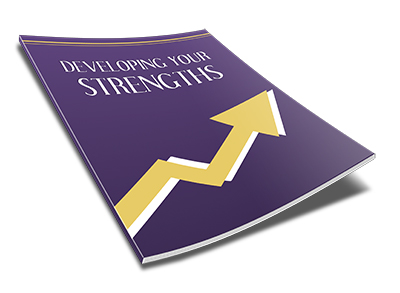
If you would like to take a deeper-dive into developing your strengths you can get a FREE 29-Page Report. This report covers:
Simply leave a comment below and I’ll provide you the download link!

Why do we choose to live in our comfort zone? Because we are accustomed to a stress-free existence in our comfort zone. It’s what you’re used to. It’s also the point in our lives that we’re the most miserable. Organizational studies suggest that most workers are un-engaged in what they do, yet most continue to stay within their comfort zone and bare the misery. These same individuals who identify as being “un-engaged” could stretch themselves outside of their self-imposed comfort zone could begin to experience a new sense of excitement in what they do.
We force ourselves to remain stagnant when we stay in our comfort zone. We’re terrified of what may happen if we change. Our brains are wired to keep us secure, so we prefer to stay in our familiar surroundings rather than face the unexpected.
However, staying in our comfort zones might lead to other problems. Here are eight reasons why staying in your comfort zone is a bad idea.
1. You are not achieving your goals. If you stay in your comfort zone, you are less likely to achieve your goals. You are preventing yourself from achieving your goals because of fear, procrastination, and self-doubt.
2. A lack of development. Staying in your comfort zone will almost certainly prevent you from reaching your full potential. You’ll constantly be stagnant, never progressing, never developing and growing. You may fail to meet your goals because you insist on doing things the same way you’ve always done them, even though you’re not seeing any results. You don’t go outside your comfort zone to see what you’re capable of or what you can achieve.
3. Loss of passion. Staying in your comfort zone makes it more difficult to discover your passions. Outside of your comfort zone is where you’ll find your passion.
4. A sense of being ignored. When you stay in your comfort zone, you will feel as though you are falling behind your coworkers and anyone with whom you interact. They may have been behind you in terms of results or tenure, but they have passed you by because they ventured outside of their comfort zone.
5. Making do with less. You force yourself to settle for less than you want by continuing to live in your comfort zone. You set aside your passions or things you like.
6. Your self-confidence is low. You won’t have the confidence you need to grow and take on new challenges if you don’t get out of your comfort zone.
7. Your health is harmed. When you don’t step outside of your comfort zone, you aren’t always taking care of your health. Stress often stems from a fear of having a long-overdue difficult conversation, a reluctance to modify your habits, or a reluctance to go to the gym for fear of being judged or attempting something new.
8. You’ll be caught off guard by changes. When you cling within your comfort zone, you become rigid and fixed in your ways. Life may be challenging, sending a variety of challenges your way. Even if you don’t want to, things might happen that force you out of your comfort zone. You can’t be open to new possibilities if you stay in your comfort zone.
The same reasons we stay in our comfort zones are the exact reasons we should use to break out of them. Staying in your comfort zone may feel safe, but settling for mediocrity is a mistake.




There’s a mysterious place that many people are afraid to go. They hear about this place and how treacherous it can be, and only know stories of people who’ve gone there before and have failed. What is this place? It’s the unknown and it’s the single destination that traps careers and stifles potential.
“You never change your life until you step out of your comfort zone; change begins at the end of your comfort zone,” – Roy T. Bennet
It’s true that when you venture out of your comfort zone, you get a glimpse of who you truly are. A personal trainer once told me that it’s so much more interesting finding out what you cannot do, rather than what you can do. She was right, it was a personal challenge to re-define what I felt my limitations were. Taking a journey into the unknown. The unknown I s about confronting our anxieties and pursuing our passions.
We frequently have sentiments like “I can’t,” “I don’t want to,” or “it’s too difficult” that keep us stagnant and miserable in our lives. It is only when we realize that we can find our true self when we stop allowing our negative thoughts to control us.
Taking a step into the unknown, the place just beyond where we can see the outcome, is terrifying. That’s the part that makes our hearts race and causes us to break out in a cold sweat, but we still want to see what’s there.
Staying in our comfort zones prevents us from taking that first step into the unknown. It ensures our safety and security. Your current life is based on your comfort zone. It’s the way you define who and what you are right now.
But what if you pushed yourself beyond that comfort zone? Would something bad happen? Or would you suddenly become fascinated with idea of experiencing something completely new?
How do you know if you should take a chance on something new? Begin by making a list of ten activities that don’t terrify you and that you do frequently. This might include activities like taking public transportation or delivering a public speech, or whatever else does not frighten you. Because we all have various comfort zones, it will be different for each person.
Describe how it feels to be in your comfort zone. Use as many feeling words as possible to provide as much information as feasible. What does it feel like to be in your own mind, and your life?
Then consider the following questions:
After you’ve answered these questions, consider what’s preventing you from pursuing your goals. What makes you feel uneasy? Is it apprehension? Are you afraid to try new things or take risks?
Make a list of ten things that scare you.
Now imagine how you’d feel if you were forced to live outside of your comfort zone. Provide as much information as possible. Describe how it feels, what you see, hear, and where you are in detail. To assist you a great exercise is to construct a vision board.
Take your time when completing these tasks. Once you’ve identified what’s preventing you from venturing into the unknown, you may start taking modest steps outside of your comfort zone to get there.
Once you venture into the unknown and discover your best self, your career may be as fulfilling and exciting as you wish.





We start hearing a lot about stepping out of our comfort zones at the beginning of every new year. Have you ever considered why you should? After all, it’s in our comfort zone that we feel in charge and stable. It’s where we can easily envision what will happen and how we will feel in the future. It’s the spot where there won’t be any unexpected events that we won’t be able to handle.
So, why would you feel driven to leave your comfort zone, or even want to? You must do it because stepping outside of your comfort zone is essential for personal development and fulfillment. Getting out of your comfort zone can help you boost your self-esteem and improve your self-image.
Is your comfort zone preventing you from living your best life and progressing in your career?
Yes, it is. You are preventing yourself from realizing and achieving your goals by remaining in your comfort zone. You won’t be pushed if you stay in your comfort zone, and you won’t have to rise to new challenges. There’s a typical self-delusion that when faced with a problem, we’ll instinctively believe we’ll be able to rise to the occasion; yet, studies show that we’ll default to our highest level of training. Getting out of your comfort zone accomplishes just that; it’s the training that prepares you to meet challenges that arise.
Here are three ways that being in your comfort zone is preventing you from developing.
1. It prevents you from developing as a person. When you’re afraid of something, staying in your comfort zone allows you to avoid confronting it. Then you suffer for the rest of your life, or until you finally confront it. You avoid circumstances that force you to confront your fear in order to conquer it.
For example, despite the fact that it is a step up on your professional ladder, your fear of public speaking prevents you from embracing the challenge of conducting meetings among your peers.
2. You are unable to be happy because you are trapped in your comfort zone. Perhaps you have challenges with self-esteem and self-image. These issues will only become worse until you take measures outside of your comfort zone to solve them. Getting out of your comfort zone can help you gain self-confidence and see yourself in a new light.
You will be happy if you are confident and have a positive self-image. If you’re not confident in your talents, for example, you’re more likely to stay in your comfort zone rather than attempt anything new. This lowers your self-esteem, makes you feel inept, and makes you powerless.
3. Remaining in your comfort zone can make you feel trapped and cause you to become more stressed. Fear keeps us in harmful behaviors while we’re in our comfort zone. You may want to become more active, run a marathon, experience fewer aches and pains, and embark on new adventures. To achieve any of these things, though, you must go outside of your comfort zone.
4. Let’s say you want to run a 5k race. You’ve always wanted to do it, but you put it off and create reasons for why you can’t. You’re not in good enough shape. You are pressed for time. You’re past your prime. But the true reason is that you’re hesitant to go out of your comfort zone and start working with a personal trainer. As a result, you continue to eat unhealthy foods, gain weight, lose muscle mass, and put your dream on hold until your health becomes a serious issue.
When we stay in our comfort zones, we prevent ourselves from experiencing greater joy, happiness, and growth. We eventually succumb to our worries and settle for mediocrity.


 Catalyst Consulting